Knitting Heartbeat: A Review for Real Embroidery Projects
As an embroidery designer and product reviewer, I’ve evaluated countless machine embroidery designs. Knitting Heartbeat stands out for its unique visual appeal and versatility across various projects. It’s a design that feels both nostalgic and modern, with a handcrafted aesthetic that translates well into real-world applications.
The First Impression: A Design That Speaks to Crafters
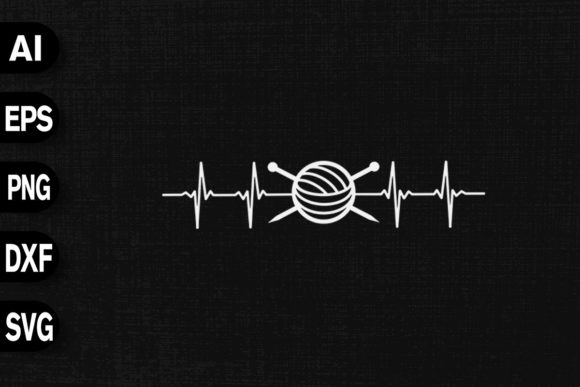
Knitting Heartbeat immediately evokes a sense of warmth and creativity. The design features a stylized heart with a knitted texture, giving it a tactile quality even before it’s stitched. The layout is balanced, with enough detail to be interesting but not so intricate that it becomes overwhelming. It’s a design that feels right at home on custom apparel, baby items, or personalized gifts.
The theme is simple but effective—heart imagery with a knitting motif. This makes it ideal for projects that aim to convey love, care, or craftsmanship. Whether it’s for a holiday gift, a handmade item, or a boutique product, the design has a universal appeal that can be adapted to different styles and occasions.
Real-World Use: Where Knitting Heartbeat Shines
When considering how Knitting Heartbeat performs in actual embroidery situations, it’s clear that it works best on flat, stable surfaces. For example, using it on a tote bag design or a sweatshirt embroidery project gives it the space it needs to breathe. The design’s moderate size and detail level make it suitable for medium-sized hoops, which is great for most home and small business embroidery setups.
It also pairs well with a variety of fabric types. On cotton t-shirts or light-weight sweatshirts, the design holds up well with proper stabilizer. For baby clothes, the softness of the fabric complements the gentle lines of the heart, making it a safe and appealing choice.
For commercial embroidery projects, such as custom apparel for a small shop product or an Etsy seller’s listing, Knitting Heartbeat offers a professional look without being too complex. It’s a design that can be used in both personal and commercial contexts, provided the licensing allows for it.
Where to Be Cautious: Limitations and Considerations
Despite its strengths, there are a few areas where Knitting Heartbeat may require extra attention. On smaller hoop sizes, the design might feel cramped, especially if the user is trying to stitch it in one go. For these cases, breaking the design into sections or adjusting the hoop size could help maintain clarity.
On textured fabrics, like denim or thick fleece, the design might not show up as clearly. Similarly, on thin or stretchy materials, the stitching could pull or distort. It’s important to test the design on scrap fabric first to ensure it looks good on the intended material.
Dark fabrics can also affect the visibility of the design, depending on the thread colors used. If the design is meant for a black t-shirt or a dark hoodie, choosing a contrasting thread color will make the heart stand out more effectively.
Impact on Visual Appeal and Customer Perception
Knitting Heartbeat adds a touch of personality to any finished product. Its subtle details and soft lines make it ideal for handmade products that aim to feel authentic and meaningful. When used on a custom apron or a personalized pillow cover, it elevates the overall look and feel of the item.
From a customer perspective, this design is likely to be well-received. It’s easy to recognize, visually pleasing, and adaptable to different uses. For a craft business or a small shop product, it can serve as a reliable asset that customers will appreciate and want to purchase.
For an Etsy seller or a digital product seller, the design’s simplicity and charm make it a strong candidate for printable mockups or digital embroidery files. It’s a design that can be easily incorporated into a brand’s aesthetic, helping to build consistency and recognition.
Practical Notes for Embroidery Designers
If you’re planning to use Knitting Heartbeat in your next embroidery project, here are a few key considerations:
- Test on scrap fabric: Always try the design on the material you plan to use. This helps identify any issues with stitch density, thread contrast, or fabric compatibility.
- Check stitch density: Make sure the design isn’t too dense, especially if it’s going on a delicate or stretchy fabric. Adjusting the stitch count can improve the final result.
- Confirm hoop size: Ensure the design fits comfortably within your hoop. If not, consider splitting the design or resizing it slightly.
- Inspect small details: Pay attention to corners and edges. These areas can sometimes get distorted during the stitching process.
- Use proper stabilizer: Especially on thin or stretchy fabrics, a good stabilizer can prevent puckering and keep the design looking clean.
- Review licensing: If you plan to sell finished items or digital products, double-check the license terms to avoid any legal issues.
Final Thoughts: A Versatile Design for Creative Entrepreneurs
Knitting Heartbeat is a design that balances style with practicality. It’s a great fit for anyone looking to add a personal touch to their custom apparel, handmade gifts, or small business merchandise. Whether you’re an embroidery designer, a craft business owner, or a creative entrepreneur, this design offers flexibility and appeal without requiring excessive technical adjustments.
With the right approach, Knitting Heartbeat can become a staple in your design library. It’s a reminder that sometimes the simplest ideas can have the biggest impact—especially when they’re crafted with care and intention.